English
 Українська

SSI Scientists Complete Training on the New NMR Spectrometer.
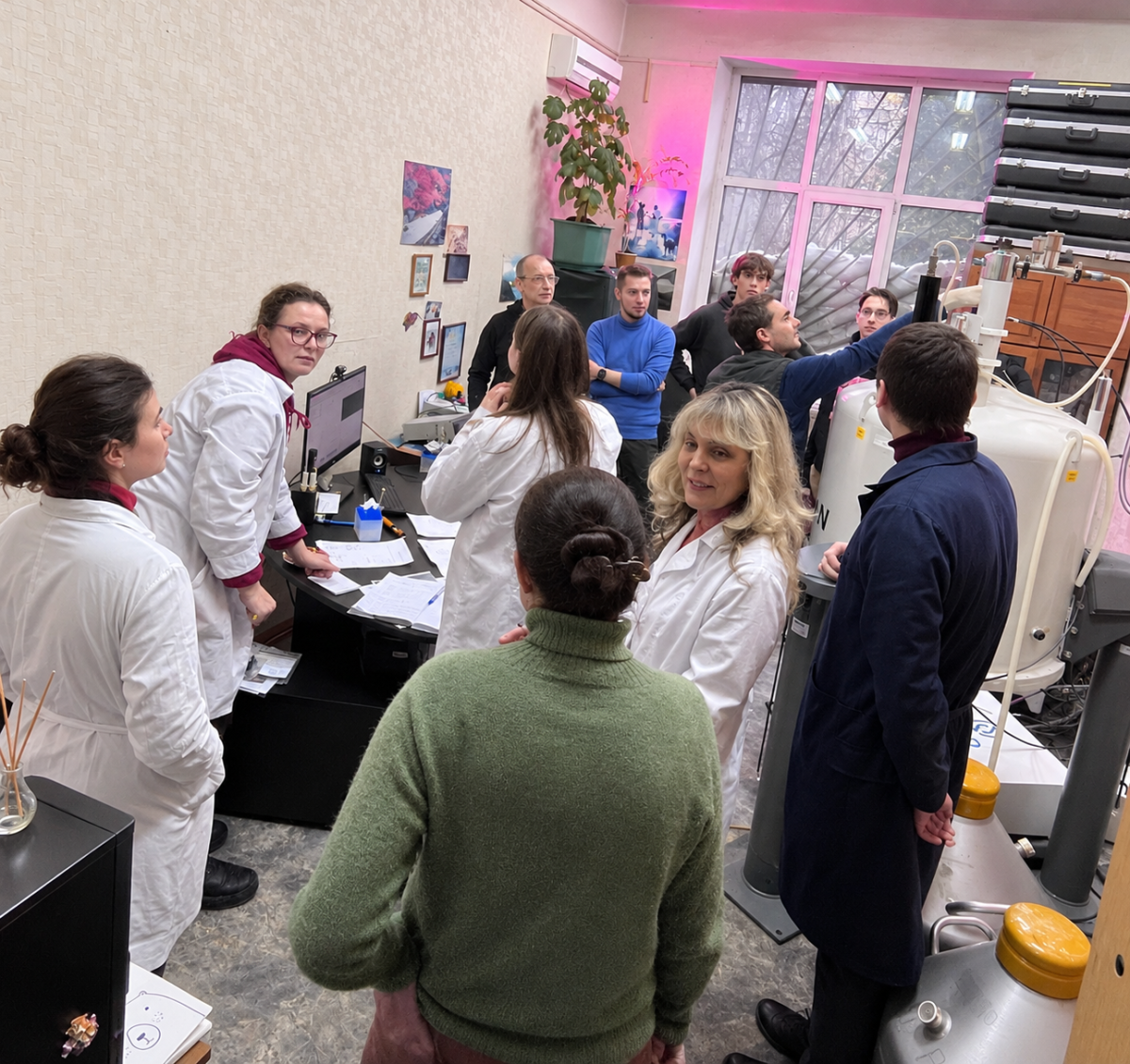
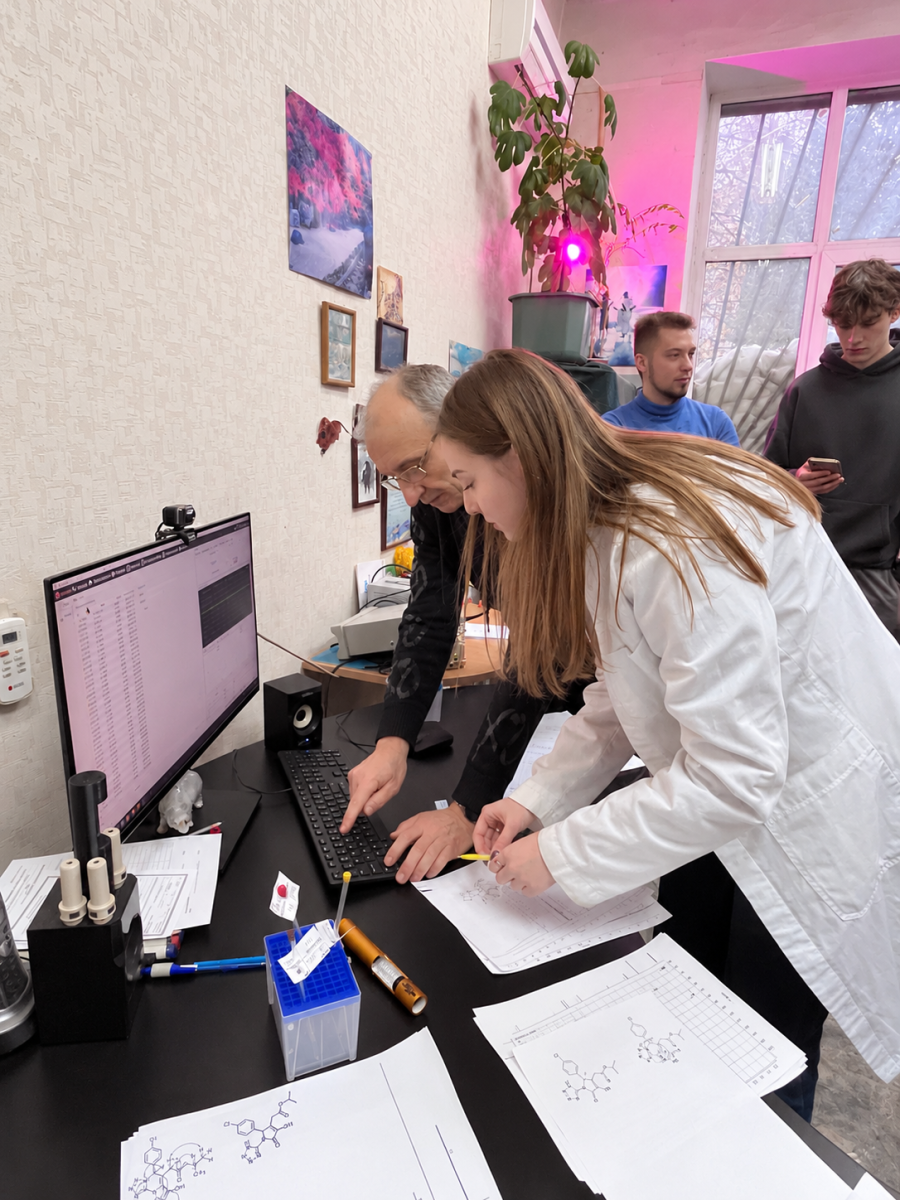
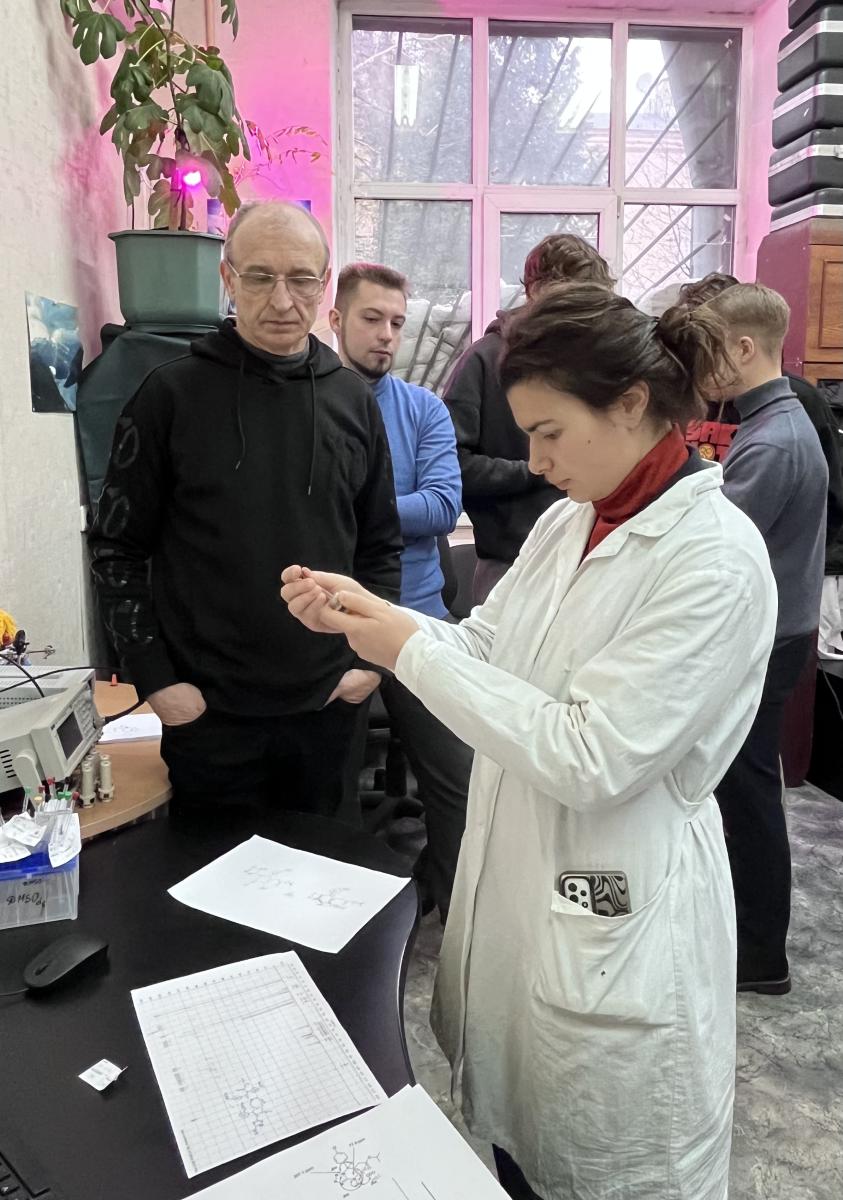
Modern scientific equipment opens up new research opportunities. However, it is essential to learn how to use it in practice. This was the focus of a training session on operating the new NMR spectrometer, held at the Institute of Functional Materials Chemistry of the SSI "Institute for Single Crystals" of the NAS of Ukraine.
The training was conducted by scientists from the Department of Organic and Bioorganic Chemistry: Senior Researcher, PhD in Biology Volodymyr Musatov; Junior Researcher and PhD student Vladyslav Honcharov; and Deputy Head of the Department, PhD in Chemistry Yana Sakhno.
Participants not only explored the capabilities of the new instrument but also had the opportunity to put their knowledge into practice right away. They independently performed measurements and recorded NMR spectra of their own samples. This hands-on approach allowed them to consolidate their theoretical knowledge, develop practical skills, and gain their first experience working with the equipment.
NMR spectroscopy is one of the key methods in modern organic and bioorganic chemistry. It enables researchers to determine the chemical structures of compounds, identify substances, assess sample purity, and monitor the progress of chemical reactions. The new spectrometer will therefore become an important tool in the research conducted by SSI scientists.
The equipment was purchased as part of the SupraKha project – "Development of New Materials for Medical, Biological, and Veterinary Applications Based on Supramolecular Systems," funded by the National Research Foundation of Ukraine. The spectrometer is part of the Center for Collective Use of Scientific Equipment "Molecular and Supramolecular Functional Materials."
Hands-on training is an important step towards making full use of the new equipment's capabilities. After all, the more confidently scientists operate modern research instruments, the greater the opportunities they have to advance their research.