English
 Українська

Chemical Analysis for Detecting Toxic Agents: SSI Scientists Share Their Expertise.
Detecting a toxic substance, correctly interpreting analytical results, and substantiating an expert opinion are tasks that require not only state-of-the-art equipment but also an in-depth understanding of chemical processes. This is where fundamental science directly serves the needs of forensic examination.
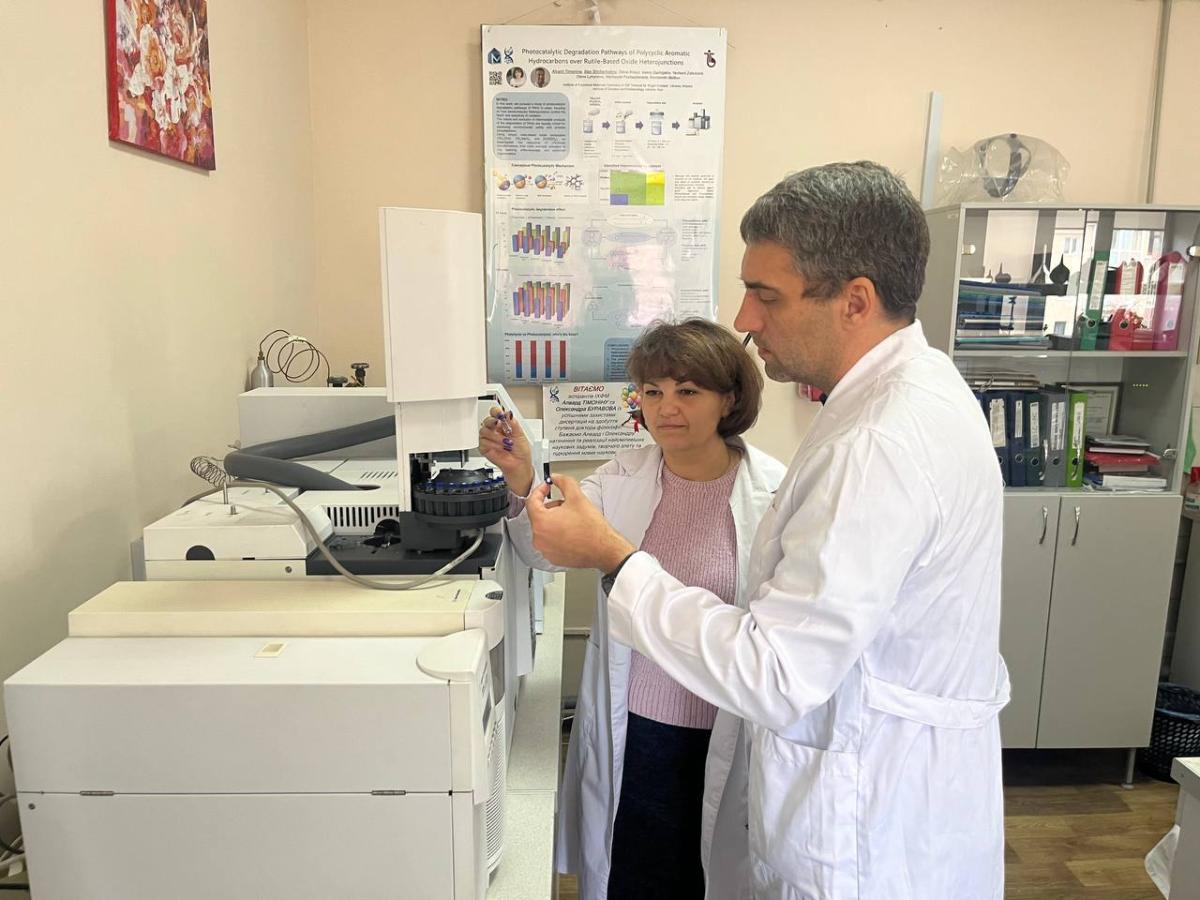
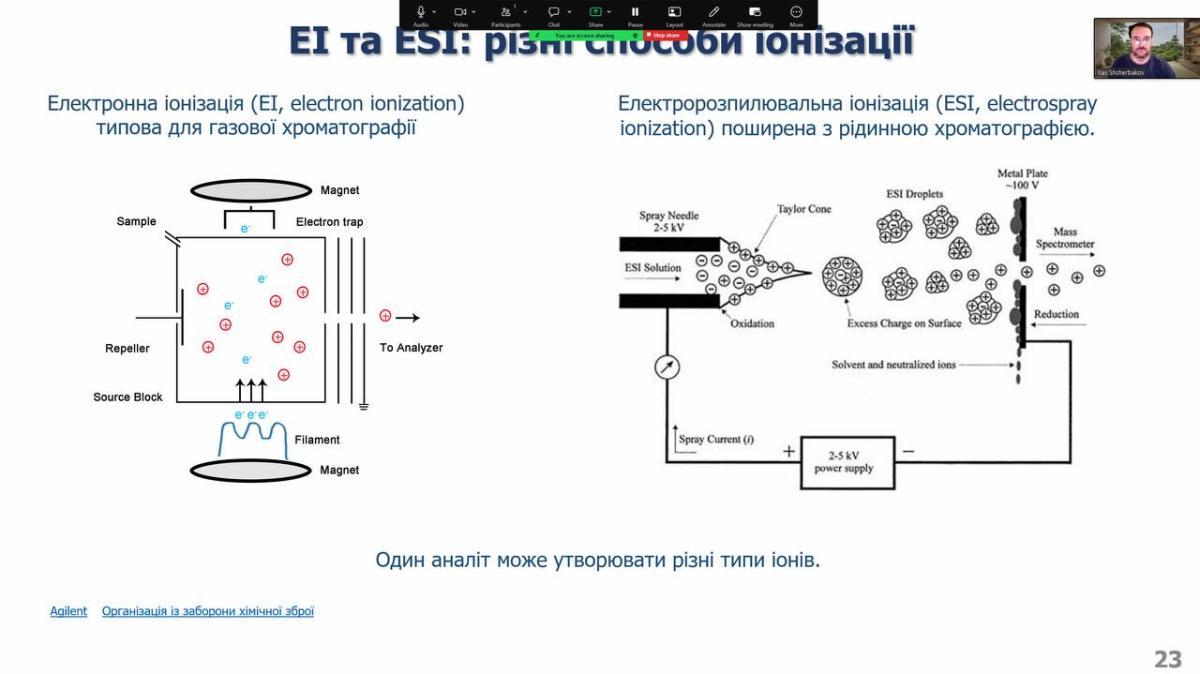
State Scientific Institution "Institute for Single Crystals" of the NAS of Ukraine and National Scientific Center «Hon. Prof. М.S. Bokarius Forensic Science Institute» are developing their cooperation through joint research, educational programmes and projects, and the exchange of professional expertise. The relevant Memorandum laid the foundation for collaboration between researchers and forensic experts. As a practical continuation of this cooperation, training sessions were held for NSC FSI forensic experts as part of the internship programme. The sessions were conducted by researchers from the Institute of Functional Materials Chemistry of our Institution: Ph.D., Junior Researcher Alvard Timonina and Ph.D. in Chemistry, Senior Researcher Ilias Shcherbakov. Participants learned about modern approaches to toxic substance analysis and methods for their identification.
The sessions focused primarily on instrumental methods of chemical analysis, particularly gas chromatography–mass spectrometry and liquid chromatography. During the practical sessions, participants explored the capabilities of these methods, the principles for selecting appropriate analytical procedures, the interpretation of the data obtained, and the factors affecting the reliability of results.
In forensic examination, an analytical result must be not only accurate but also scientifically substantiated and suitable for use in formulating an expert opinion. Therefore, it is essential not only to master modern analytical methods but also to understand their limitations, the specific aspects of their application, and the possibilities for verifying the data obtained.
Combining the scientific expertise of the Institute of Functional Materials Chemistry of the SSI with the practical needs of forensic examination enables the development of specialists' professional competencies and strengthens cooperation between scientific institutions. Such collaboration helps bring modern analytical advances closer to practical applications in the detection and identification of potentially hazardous chemical substances.